Arlington, MA Real Estate Guide for Young Professionals
Explore Arlington’s walkable village vibe: Mass Ave cafes, 10.1-mile Minuteman Bikeway, Alewife Red Line access, and homes around $1.1M.
Written ByClaudia Lavin
PublishedJuly 1, 2026
UpdatedJuly 8, 2026
I'm Claudia Lavin Rodriguez, a Lexington, MA real estate agent helping first-time buyers, young professionals and families across Greater Boston — from first search to keys. Serving Lexington, Somerville, Waltham, Arlington, Burlington and Belmont, MA.
Arlington, MA
Region
In July 2026, the median sale price for homes in Arlington, MA was $1,165,000, up 19.5% from a year earlier.
# Arlington, MA Real Estate: A Modern Haven for Young Professionals and Families
Just northwest of Cambridge, Arlington has quietly built a reputation as one of the most desirable places to land for young professionals who want an actual neighborhood — not just somewhere to sleep between commutes. It offers a rare mix: a walkable town center, tree-lined residential streets, and fast, reliable access into Boston and Cambridge. When I work with first-time buyers and growing families across Greater Boston, Arlington almost always makes the shortlist. And the numbers explain why.
A quick headline card for young professionals weighing Arlington: prices remain around the million-dollar mark, competition is intense, and well-positioned homes typically move in about two weeks.
Is Arlington, MA a Good Place for Young Professionals and Families?
Yes — Arlington strikes an unusual balance between quiet residential comfort and an active, walkable community core, which is exactly what draws young professionals and young families here.
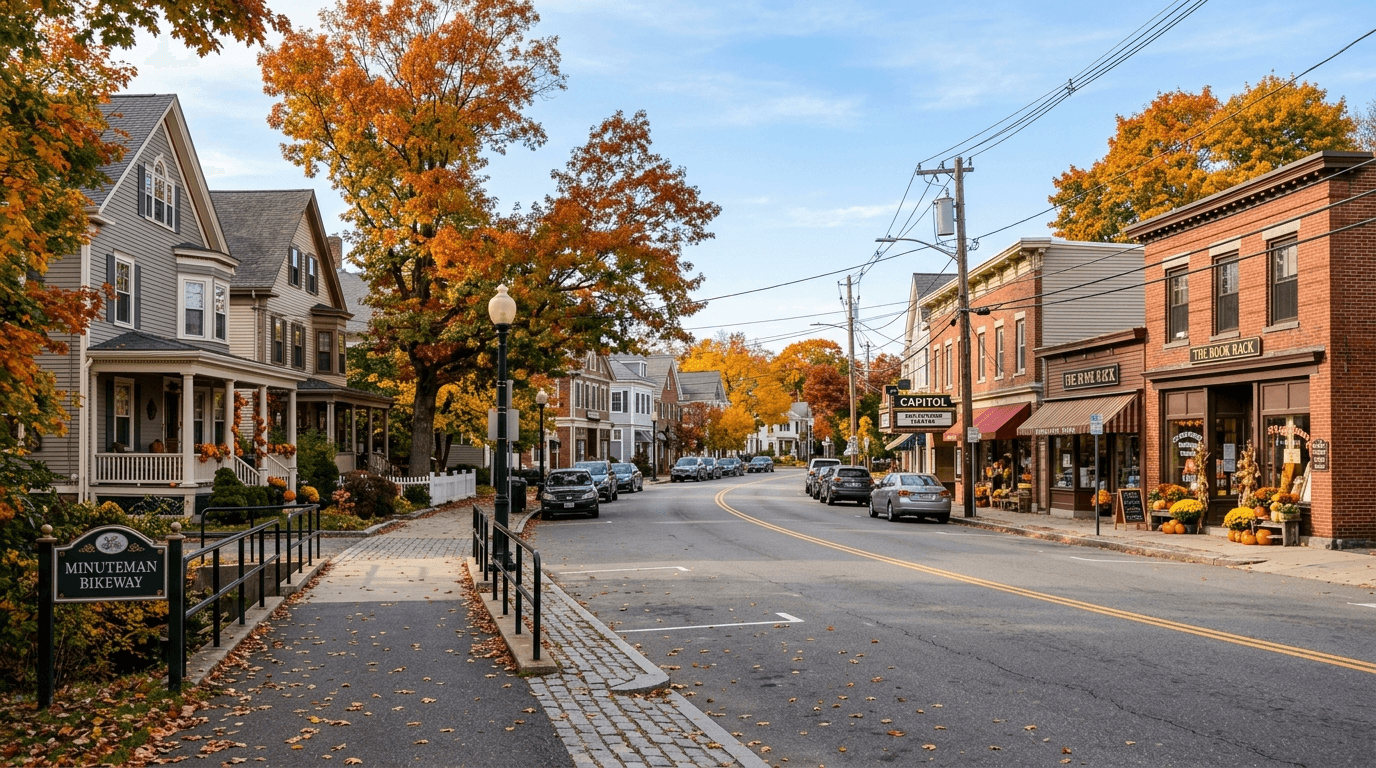
The vibe is neither sleepy suburb nor frantic city. Arlington Center hums with cafes, restaurants, and Saturday errand-runners, while the side streets a few blocks off Massachusetts Avenue stay calm and neighborly. That contrast is the whole appeal. You can grab an early pastry at Butternut Bakehouse on your way to the train, then come home to a street where kids ride bikes and neighbors actually know one another.
For clients weighing Arlington against denser options like Somerville or Cambridge, I frame it simply: Arlington gives you that quieter village feel without cutting you off from the city. Families are drawn to the strong sense of community and the well-regarded public schools. Younger buyers like that they can live car-light and still walk to dinner. It's competitive — more on that shortly — but that competitiveness is just a reflection of how many people want in.
What Are Homes and Property Types Like in Arlington, MA?
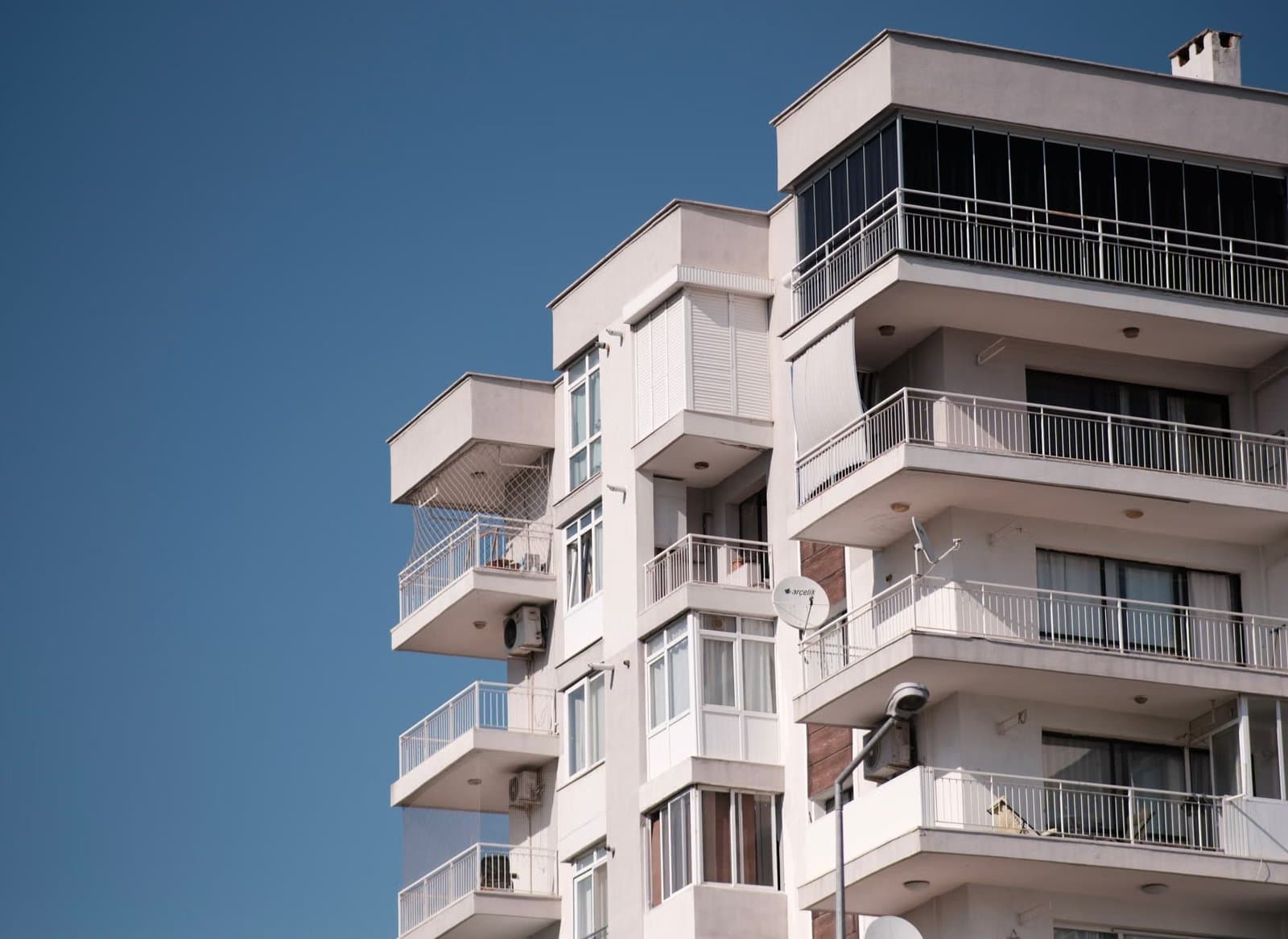
Arlington's housing stock is dominated by classic New England Colonials, Victorians, and multi-family homes, many of them updated with modern, open-concept interiors — with condos and townhomes filling out the more attainable end of the market.
When I tour homes here, the pattern holds. Older single-family homes, Victorians, and Colonials cluster around Arlington Center and Arlington Heights, while East Arlington and the Alewife edge lean toward multi-family buildings, condominiums, and rentals. That geography matters for buyers. If you want a renovated older home with character, look inward and uphill. If you want a condo or a multi-family with easy Cambridge access, East Arlington is your zone — and it's the section that's most popular with commuters and younger buyers.
Pricing depends heavily on property type, and this is where I encourage clients to look past any single headline number.
Arlington Sale Prices by Property Type
Compares average and median sale prices by property type, helping buyers understand the premium for single-family homes versus condos and multi-family options.
Condo
Single Family
Multi-Family
Compares average and median sale prices by property type, helping buyers understand the premium for single-family homes versus condos and multi-family options.
As of the May 2026 market data, single-family homes carried the steepest premium, followed by multi-family properties, with condos offering the most accessible entry point. Worth noting: Arlington reported both single-family and condo sale prices at their highest on record in that period — a reminder that even with month-to-month fluctuations, this is a high-demand, high-value market.
One clarification I always make with buyers: you'll see two different "median" numbers floating around for Arlington. The overall median sale price of ~$1.1M reflects what homes actually trade for. Separately, regional assessment data lists Arlington's median market (assessed) value at $956,500 — but that's an assessed valuation, not a sale price. Different sources, different purposes. Don't let the gap trip you up when you're budgeting.
The market moves fast. Inventory stays limited, well-priced homes go quickly, and Arlington is not, by any measure, a cheap suburb. The trade-off is a strong, stable community that holds its value.
Where Do People Gather in Arlington, MA?
Arlington Center and Massachusetts Avenue are the primary hubs for dining and shopping, while the Minuteman Bikeway and Spy Pond anchor the town's outdoor and social life.
Massachusetts Avenue is the spine of the community. It's where you'll find the boutiques, the coffee shops, and the restaurants that set Arlington's everyday rhythm. The Robbins Library sits right in this corridor and functions as a genuine community anchor — one of the highest-rated spots in town.
Outdoor life revolves around two features. Spy Pond is a picturesque gathering spot for kayaking, picnicking, and relaxed family afternoons, with Spy Pond Field right alongside it. And then there's the Minuteman Bikeway — arguably the single most defining piece of infrastructure in town.
The Minuteman Commuter Bikeway is a defining lifestyle and commute asset for Arlington, supporting car-light routines, recreation, and neighborhood connectivity.
The Minuteman is a 10.1-mile paved rail-trail running straight through the heart of Arlington. On weekends it can see 2,000 to 2,500 users, and it works as both a recreation corridor and a legitimate commuting route. For young professionals especially, living near the bikeway is a lifestyle choice — it supports a car-light routine that's genuinely hard to replicate in most suburbs.
How Is the Commute from Arlington, MA to Boston and Cambridge?
Arlington has no subway station of its own, but it connects directly to the Red Line at Alewife Station in neighboring Cambridge, supplemented by frequent MBTA bus service down Massachusetts Avenue and the Minuteman Bikeway.
This is the most important thing I explain to commuter clients, so let me be precise: Arlington itself is not on the subway. What it has is exceptional proximity to it. The southern end of the Minuteman Bikeway terminates at Alewife MBTA Station in West Cambridge, giving residents fast, reliable Red Line access without living in the density of Cambridge or Somerville.
Getting Around Arlington: Walk, Transit, Bike Scores
Arlington is strongest for biking and everyday walkability, while transit access is more bus-and-connection oriented than subway-direct—important for Boston/Cambridge commuters.
Walkability
Transit
Biking
Arlington is strongest for biking and everyday walkability, while transit access is more bus-and-connection oriented than subway-direct—important for Boston/Cambridge commuters.
The scores tell the story. Arlington's Bike Score (65) and Walk Score (64) outpace its Transit Score (45) — exactly what you'd expect from a town that's bus-and-bike oriented rather than subway-direct. For anyone commuting into Boston or Cambridge for a tech or professional job, that's the key insight: you'll either bus or bike to Alewife and hop the Red Line, or you'll drive.
For drivers, Arlington offers convenient access to Route 2 heading into the city, plus reasonable reach to the broader I-95 corridor for regional trips. MBTA bus routes run frequently along Mass Ave, connecting residents to Alewife and beyond. For many of my clients, that bus-to-Red-Line handoff becomes second nature within a week of moving in.
Are Arlington, MA Schools Good for Families?
Arlington's public schools are a major draw, and school reputation is tightly linked to long-term resale strength here.
Families relocating from out of state — and Arlington sees strong inbound interest from metros like New York and Washington, DC — almost always ask about schools first. The Arlington district is well regarded across its elementary, middle, and high school levels, and that reputation is a real factor in why homes hold their value even when the broader market softens.
Top-Rated Arlington Area Elementary Schools
A concise school-rating view for buyers prioritizing a family-friendly community and long-term resale strength tied to school reputation.
A concise school-rating view for buyers prioritizing a family-friendly community and long-term resale strength tied to school reputation.
I always encourage buyers to verify current assignment zones and ratings directly, since attendance boundaries and scores shift year to year. But the broad takeaway holds: Arlington's school reputation is one of the pillars supporting demand, and it's a big reason young families are willing to compete for limited inventory.
What Should Buyers Know Before Competing in the Arlington Market?
Arlington is a fast, competitive seller's market — homes sell quickly, often above list price — so preparation and pre-approval are non-negotiable.
The data is unambiguous. Homes here average around 5 offers and roughly 15 days on market. At that pace, leisurely multi-week decision-making simply doesn't exist. The most common mistake I see first-time buyers make is treating this market like a calmer one — touring casually, waiting to line up financing, hesitating on a strong home. In Arlington, that hesitation costs you the house.
Here's how I coach clients to win without overpaying:
•Get fully pre-approved before you tour. Not pre-qualified — pre-approved. In a market this fast, your offer needs to be ready the day you fall in love with a place.
•Know your zone. East Arlington moves differently than Arlington Heights. Understanding which section fits your commute and budget lets you act decisively.
•Understand the property-type premium. A condo gives you a lower entry point; a single-family carries the biggest premium. Match the property type to your actual budget and timeline before you start.
•Plan for the full cost of ownership. Arlington's cost of living runs meaningfully above the national average, and older housing stock can mean surprise maintenance. Budget with your eyes open.
The competitiveness of this market isn't a warning sign — it's confirmation that Arlington is doing something right. People move here and stay. Compared to its denser city neighbors, it offers that quieter, community-first feel my clients keep asking for, while keeping Boston and Cambridge firmly within reach.
If you're thinking about buying in Arlington, my advice is simple: come prepared, move decisively, and lean on someone who knows these streets block by block. This is a market that rewards clarity — and Arlington, more than most towns around Greater Boston, is worth the effort it takes to win here.
Yes. Arlington, MA offers a strong mix of quiet residential streets, an active walkable center, and well-regarded public schools. Families are drawn to the community feel, outdoor spaces like Spy Pond, and long-term housing demand tied to school reputation.
Are the public schools in Arlington, MA good?
Arlington, MA is well regarded across its elementary, middle, and high school levels. The school reputation is one of the main factors supporting housing demand and long-term resale strength, though buyers should verify current school assignments and ratings because boundaries and scores can change.
Is Arlington, MA expensive to buy a home in?
Arlington, MA is a high-demand, high-value market, and it is not considered a cheap suburb. As of May 2026 market data, single-family homes and condos were at their highest recorded sale prices, with an overall median sale price around $1.1 million and a separate assessed median market value of $956,500.
Are there condos and townhomes in Arlington, MA?
Condos are generally the most accessible entry point in Arlington, MA compared with single-family and multi-family homes. East Arlington and the Alewife edge have more condominiums, multi-family buildings, and rental apartments, making that area especially popular with commuters and younger buyers.
How do people commute from Arlington, MA to Boston or Cambridge?
Arlington, MA does not have its own subway station, but residents can connect to the Red Line at Alewife Station in neighboring Cambridge. MBTA buses run frequently along Massachusetts Avenue, and the Minuteman Bikeway provides a bike route to Alewife, making bus-to-Red-Line and bike-to-Red-Line commutes common.
Can you live in Arlington, MA without a car?
Arlington, MA is better suited to a car-light lifestyle than a fully car-free one. The town has a Walk Score of 64, Bike Score of 65, and Transit Score of 45, reflecting strong biking and walkability in key areas but no direct subway station within town.
How competitive is the Arlington, MA real estate market?
The Arlington, MA housing market is fast and competitive. Homes average around 5 offers and roughly 15 days on market, so buyers typically need full pre-approval, a clear budget, and the ability to act quickly when a well-priced home becomes available.