Key Takeaways
•The real choice isn't just price: A Waltham condo in the low-$400Ks versus a single-family home costs far more up front — but a monthly condo fee and a recent lending rule change the math.
•The fee is real money: The typical condo fee runs a few hundred dollars a month and does not build equity. A house has no fee, but its repairs cost you too — just unpredictably. Budget both as ongoing costs you don't get back.
•The new curveball: Fannie Mae has tightened its review of condo-building finances, so your loan can hinge on the association, not just on you.
•The bottom line: Run your total monthly carry — including a house maintenance reserve — not the sticker price. Vet a condo building's budget as carefully as your own credit before you offer.
Is the price gap really the whole story?
Buying your first place in Waltham this September, the choice can feel stark.
A two-bedroom condo near Banks Square starts around $400,000, per MLS PIN data reported by Centre Realty Group. One on Lexington Street recently sold for $425,000. A single-family house is a much bigger leap — the median sits near $884,000, and a recent Farwell Street sale closed at $820,000, per the same MLS PIN data.
On paper, that looks like a simple price problem. In real life, it's a monthly-payment problem.
Two things can reshape your budget fast: the condo fee and the recent condo lending rules. Get your math done before you start touring.
Why does the $400Ks condo look attractive?
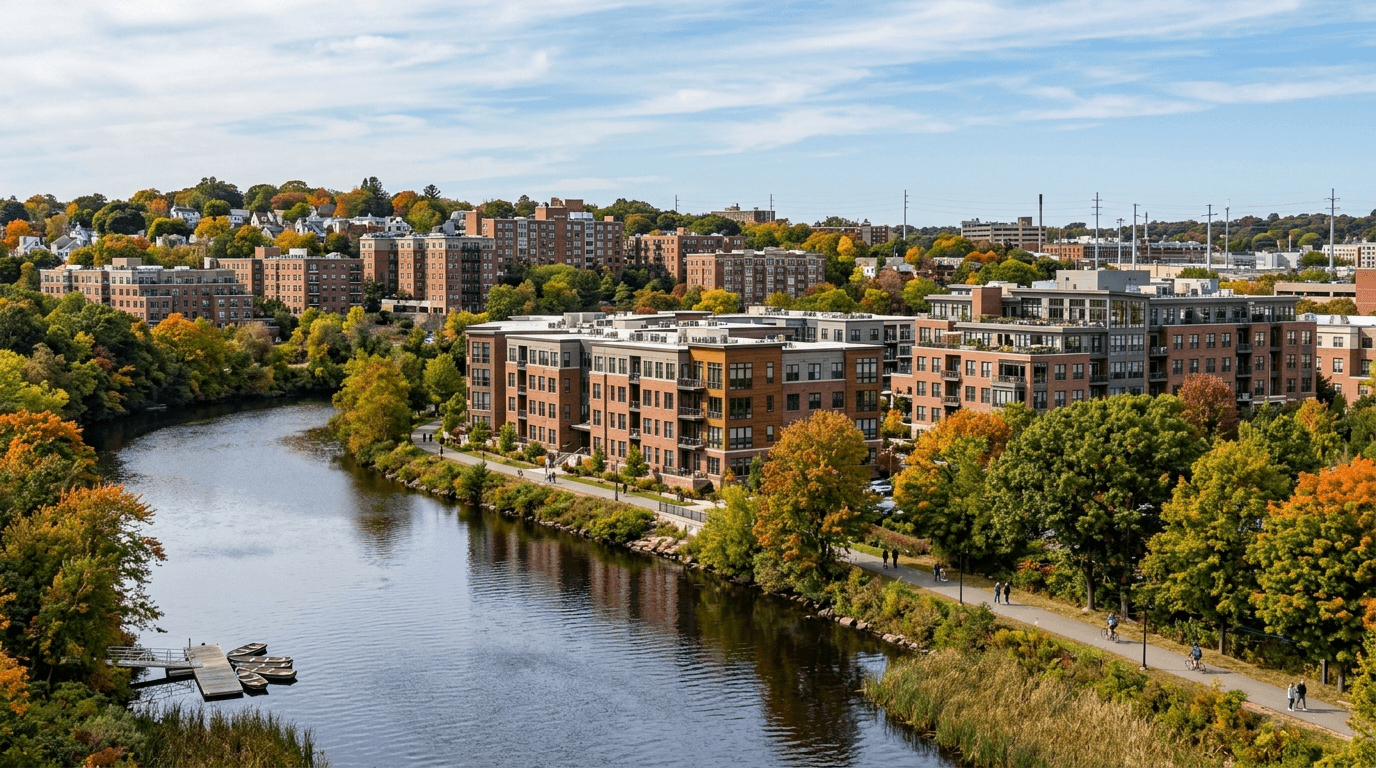
For many first-time buyers, a condo is Waltham's most realistic entry point. A sub-$450K unit near Brandeis, Banks Square, or the Charles River puts you close to work, transit, and the biotech and tech jobs lining Route 128.
The condo fee simplifies life, too. It typically covers building insurance, roof care, landscaping, snow removal, and reserve savings — a kind of predictability that matters when you're already stretching to buy.
But the fee is still real money. A 2026 LendingTree analysis found a $386 median monthly condo fee across the Boston metro (a metro-wide figure, not Waltham-specific), and 29.9% of fee-paying owners pay more than $500 a month.
Here's the key point: part of that fee — insurance, landscaping — doesn't build equity. Reserve contributions work more like a maintenance fund, similar to what a house owner sets aside on their own. Either way, you're carrying the cost every month.
What changed for condo buyers recently?
This is the new wrinkle first-time buyers need to understand.
Fannie Mae has tightened its review of condo-building finances. Many established buildings can no longer use the quicker review path, so your lender may scrutinize the condo association itself — its reserves, late owner payments, insurance, pending special assessments — not just you. Even with excellent credit, a weak association can create a financing problem.
A few technical rules apply too — an insurance deductible cap and a minimum reserve percentage, each with its own effective date. Confirm the current rules with your lender before you offer. They can turn a low condo fee today into a special assessment later.
Before you offer on a condo, request the master deed (the document that legally defines the building and each unit), recent budgets, the reserve study (a report on how well the building is funded for future repairs), meeting minutes, and the 6D certificate (a document showing the seller owes no unpaid condo fees). Ask your agent or attorney to obtain the 6D certificate and confirm the required timeline under Massachusetts law.
On balance, this review protects buyers. It filters out financially weak buildings, so a condo that clears review is a safer bet. The trade-off is a slower, more paperwork-heavy process.
Why would you stretch for the house?
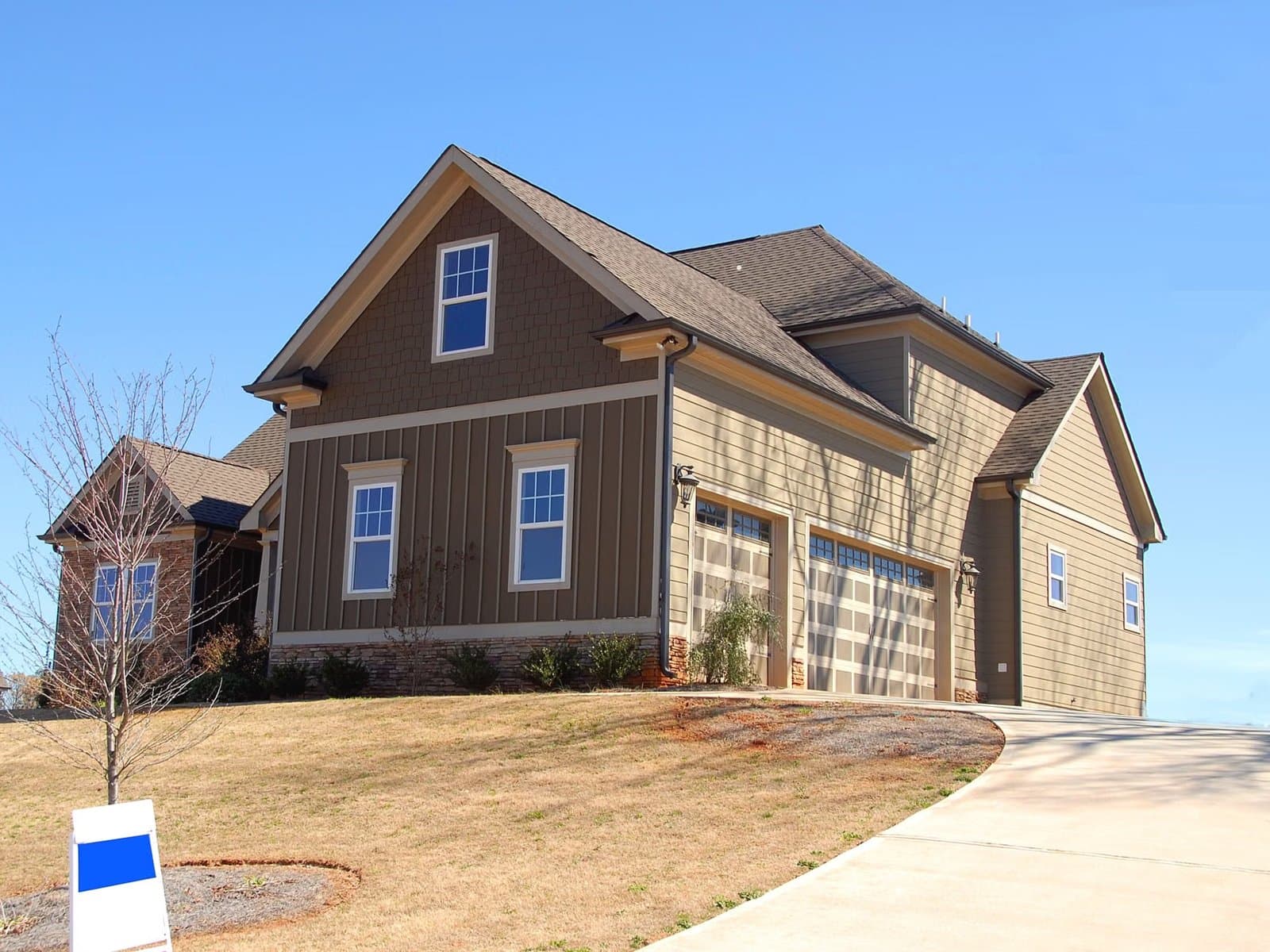
A single-family home in Warrendale, Cedarwood, or the Highlands hands you more control. No condo board, no shared budget, no building-wide review affecting your loan. You decide when to renovate, and you own your yard, parking, and repairs outright.
Waltham houses also remain cheaper than many nearby options. A family priced out of Newton may find a comparable Colonial in Waltham for less, with a similar commute, per Steinmetz Real Estate. Warrendale Capes run around $600K, and larger Highlands Colonials can reach toward $1.3M, per the same source. Commuter rail from Warrendale still gets you into Boston, keeping the area practical.
But the house path takes more cash. You need a much larger down payment, and you own every repair — roof, heating, siding, water, sewer. Those bills arrive in large, uneven chunks.
So don't assume a house is cheaper per month just because there's no condo fee. Budget a maintenance reserve each year; a common rule of thumb is 1–2% of the home's value. Those costs still exist — you just pay them yourself, on your own timeline.
Waltham's residential exemption helps on either path. It reduces the taxable value the town uses to calculate property tax (not the sale price) for owner-occupied homes, softening the bill either way.
What are the strongest arguments against this?
"The condo fee is not dead money — it buys real services."
True. The fee pays for things a house owner must handle alone: insurance, roof work, landscaping, snow removal, shared amenities. The issue isn't that the fee is waste — it's a fixed monthly cost you carry alongside your mortgage. A house owner pays similar costs but controls the timing.
"The new Fannie Mae rule protects buyers, so why call it friction?"
Also true — the rule helps buyers by screening out weak buildings. The friction is mostly procedural: more documents, a longer review. For a healthy, well-funded building, the protection outweighs the hassle. A single-family buyer skips this step entirely.
Which option fits your budget in 2026?
The decision rule is simple: compare total monthly carry, not sticker price.
For the condo, add the mortgage, taxes, insurance, and condo fee — and ask how likely that fee is to rise. For the house, add the mortgage, taxes, insurance, and a yearly maintenance reserve. Neither path is repair-free.
Choose the condo if you want to enter the market sooner, stay near transit and Route 128 jobs, and are willing to review the building's finances carefully. Choose the house if you have the down payment, want more space and control, and prefer financing that doesn't depend on an association's budget.
Beyond price, watch how fast each segment moves. Condos offer more choice, with 7.9 months of supply versus 3.1 months for houses and 6.0 months for mixed properties — more breathing room shopping condos, while houses demand you move faster.
Months of Supply by Property Type in Waltham
Compares current inventory depth across Waltham property segments as of July 2026.
| Series | Label | Value |
|---|---|---|
| Months of Supply | Single-Family | 3.1 months |
| Months of Supply | Condo | 7.9 months |
| Months of Supply | Mixed | 6.0 months |
Source:Repliers / MLSPIN
Days on market confirms the timing gap: the median is 24 days for single-family, 36 days for condo, and 26 days for mixed — so a house you like will likely be gone before a comparable condo.
Median Days on Market by Property Type in Waltham
Shows how quickly different Waltham property segments are selling as of July 2026.
| Series | Label | Value |
|---|---|---|
| Median Days on Market | Single-Family | 24 days |
| Median Days on Market | Condo | 36 days |
| Median Days on Market | Mixed | 26 days |
Source:Repliers / MLSPIN
Online, buyers are honest about the trade-off. Some resent paying hundreds a month for what feels like "trash pickup and three months of pool usage." Others fear surprise home repairs. Both fears are valid — which is exactly why the math should lead.
If you're weighing a Waltham condo against a single-family home, start with the monthly number you can truly live with, then test the building, the loan, and the maintenance risk before you offer. Send over the condo fee, taxes, price, and loan estimate, and we'll run the real monthly carry before you fall in love with the wrong property.